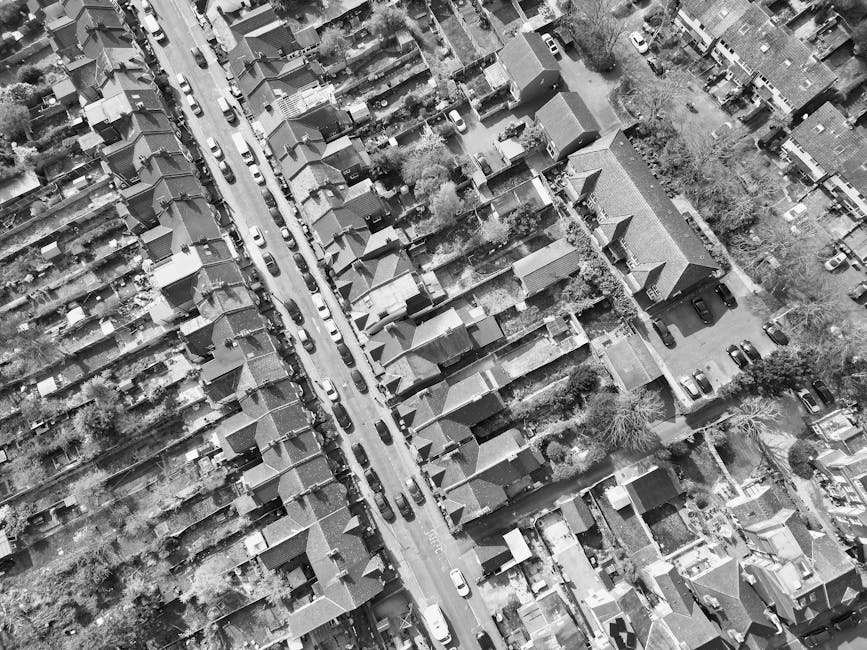
Access problems for Leyton gardeners flats alleyways
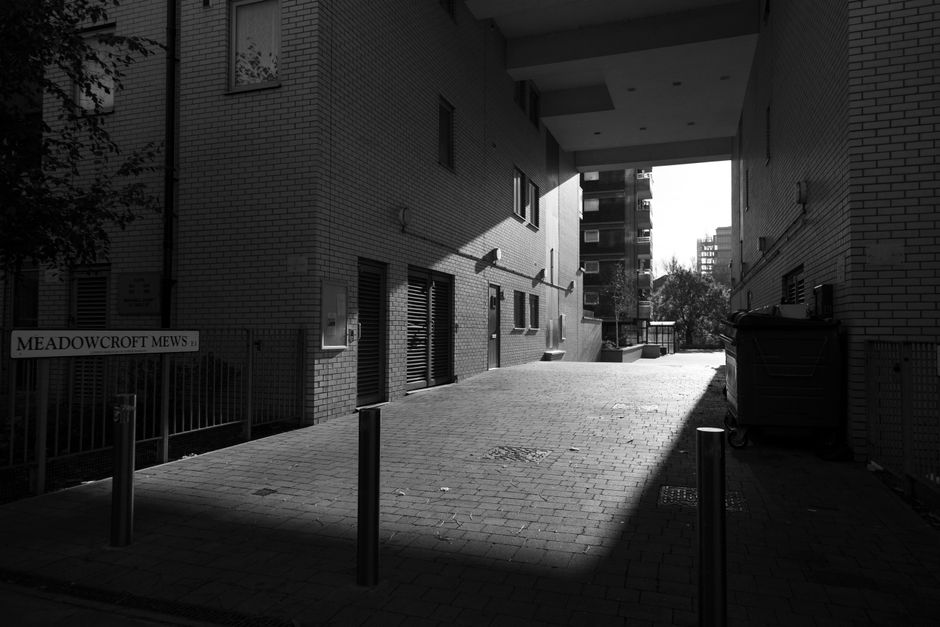
If you manage a garden in Leyton and the only way in is through a narrow side passage, a shared alley, or the back of a flat block, you already know the real issue is rarely the grass itself. It is getting to the grass. Access problems for Leyton gardeners flats alleyways can turn a simple maintenance visit into a careful bit of planning, a longer job, or sometimes a job that needs a different approach altogether. This guide breaks down what those access issues look like, why they matter, and how to handle them without turning the whole thing into a faff.
Whether you are a resident, landlord, managing agent, or gardener trying to work efficiently in tight urban spaces, the aim here is straightforward: reduce risk, save time, and make the visit go smoothly. Truth be told, in London back gardens and flat complexes, the biggest wins often come from the small practical details.
Why access problems for Leyton gardeners flats alleyways matters
Access sounds like a boring admin point until it starts affecting safety, timing, and the quality of the work. In Leyton, where homes often sit behind terraces, through shared side passages, or around compact flat entrances, the route into the garden can be tighter than the garden itself. If a mower has to be angled sideways through a narrow alley, or bags of green waste need to be carried past bins, bicycles, and parked scooters, every job becomes more complicated.
This matters for a few simple reasons. First, narrow access raises the chance of damage to gates, walls, fences, paving, and planted borders. Second, it changes how many tools can realistically be brought in. Third, it can affect how quickly a job can be done, which matters if you want regular upkeep rather than one-off emergency tidying.
There is also a quiet human side to it. Shared access areas are often used by more than one household, so a gardener may have to work around neighbours coming and going, children using the space, or residents who understandably do not want mud dragged through a clean passage. A little planning goes a long way. And yes, it can be the difference between a calm visit and a frustrating one.
If the access issue is being handled as part of a wider property plan, it can be sensible to look at the full range of garden services and decide what genuinely fits the space rather than forcing a one-size-fits-all approach.
Expert summary: In tight Leyton properties, access planning is not an extra step; it is part of the job. Good access information protects the property, reduces delays, and helps the gardener choose the right equipment from the start.
How access problems for Leyton gardeners flats alleyways works
In practical terms, good access management starts before anyone picks up a tool. The person arranging the work needs to understand the route from street to garden, the width of gates, whether there are steps, how heavy the waste might be, and whether the area is shared. If the route is awkward, the job plan should change to suit it. Not the other way around.
For example, a small mower may be ideal where a larger machine would never fit. A lightweight hand tool might be better for hedge shaping than a bulkier powered unit if the alleyway is long and tight. In a lot of cases, the real work is done by preparation: clearing the route, agreeing access times, and checking how waste will be removed.
The process usually looks something like this:
- Assess the route from the pavement or communal area to the garden.
- Measure key pinch points such as gates, side passages, and staircase landings.
- Identify shared spaces and any resident access needs.
- Choose suitable equipment that can physically pass through the space.
- Protect surfaces with careful movement, cleaning down, and sensible staging.
- Plan waste removal so clippings and branches do not block the alley.
It sounds neat on paper. In reality, there may be muddy footwear, awkward bin-store corners, and a rusty gate that sticks when you least want it to. But the principle holds: the better the route planning, the better the result.
Where the access issue is part of a broader maintenance pattern, regular garden maintenance can help keep the workload manageable, especially in properties where paths, hedges, and waste build up faster than people expect.
Key benefits and practical advantages
There are clear benefits to treating access as a proper part of garden care rather than an afterthought.
- Less property damage because tools and waste are moved more carefully.
- Faster visits once the route and equipment are matched to the site.
- Better neighbour relations in flats and shared alleyways, where courtesy matters.
- Cleaner finish because debris is controlled instead of dragged across communal areas.
- Lower risk of missed work when the gardener knows what can and cannot be reached.
- More realistic quotes because the work is priced around the actual access conditions.
That last point is easy to overlook. A quote that ignores access can look attractive at first, then become messy later when the job takes longer than expected. Better to be honest upfront. It saves everyone a headache.
There is also a quality benefit. Gardens behind flats and alleyways often need more frequent attention, not because the plants are fussy, but because the space can trap damp, shade, and leaf build-up. Once the access route is set up properly, it becomes much easier to keep on top of the work rather than letting it snowball.
Who this is for and when it makes sense
This issue affects more people than you might think. It is not just for large blocks or unusual properties. In Leyton, many ordinary homes and small developments have access quirks that only become obvious when someone turns up with a mower, a hedge trimmer, or a barrow full of cuttings.
It is especially relevant for:
- Flat owners and tenants with rear gardens reached through communal areas.
- Landlords and managing agents who need maintenance kept tidy and regular.
- Residents in terraces where the only route is a narrow side alley.
- Gardening clients with mobility concerns who need safer, less disruptive work arrangements.
- Properties with limited storage where tools cannot be left on site.
It makes sense to address access problems before peak growing periods. Spring and early summer often expose every weakness in a garden route, simply because work piles up faster. You think the job is just a bit of mowing, then the hedge has crept over the alley and the waste bags are too awkward to carry in one trip. Happens all the time.
If access is especially tight, some jobs may be better supported by lawn mowing services or by a broader tidy-up that includes the overgrowth causing the blockage in the first place.
Step-by-step guidance
Here is a practical way to handle access problems without overcomplicating things.
1. Walk the route before the job starts
Do not rely on a description over the phone if you can avoid it. A quick walk from the front gate to the garden tells you far more. Look for width, turning space, low steps, loose paving, trip hazards, and anything that could snag a wheel or handle.
2. Identify what actually needs to get through
Not every job needs the full van load brought into the garden. Sometimes it is better to stage tools at the entrance and carry only what is needed. For larger jobs, waste bags, shears, rakes, and lightweight cutters may be enough. It depends on the site. Simple, really.
3. Decide how waste will leave the property
Green waste is often the trickiest part in flats and alleyways. Branches, hedge trimmings, and grass cuttings can quickly block a route if they are left in piles. Plan whether waste will be bagged, barrowed, or taken out in stages. If the route is shared, keeping the passage clear between trips is just good manners.
4. Protect surfaces and tight corners
Any narrow route with painted gates, old brickwork, or soft planting needs a careful touch. Move equipment slowly. Avoid scraping tools along walls. Use mats or boards where needed. It sounds a bit overcautious until you see a freshly marked wall. Then it feels very sensible indeed.
5. Match the service to the site
Some gardens need more than mowing. If hedges are closing in on the passage, or overhanging branches are squeezing the light out of the route, the access issue itself may need fixing. That is where services like hedge trimming or tree lopping and removal can make the difference between a cramped garden and a usable one.
6. Confirm who can unlock what
This is a small point that causes more delays than people expect. Who has the key to the side gate? Who opens the communal door? Is there a caretaker? Is a resident home? If the answer is unclear, jobs drift. And drift is expensive in time.
Expert tips for better results
After enough visits to compact gardens and awkward accesses, a few patterns become obvious.
Keep the route as dry and clear as possible. Wet leaves, algae, and loose soil are no joke in a side alley. One slippery patch can slow everything down. If the passage is already damp and shaded, shoes and wheels will pick up mess quickly.
Use the smallest sensible setup. Bigger is not always better in tight spaces. A compact mower or hand tools can sometimes produce a neater finish than trying to force larger kit through a bottleneck.
Communicate timing clearly. In shared blocks, even a good job can feel inconvenient if residents are surprised by noise or movement in the passage. A simple heads-up helps a lot.
Keep waste handling separate from cutting. One of the easiest ways to create chaos is to let clippings build up where everyone walks. Bag as you go if the site is cramped.
Plan for the awkward 10 percent. The gate that only opens halfway, the broken latch, the bike locked across the passage. There is always one awkward bit. Assume it, and the job gets easier.
For properties where access and layout are linked to overall outdoor design, it may be worth exploring landscape gardening or landscaping to open up the space in a more permanent way.
Common mistakes to avoid
Most access problems become worse because of avoidable habits, not because the site is impossible.
- Assuming access is "fine" without checking gate widths or turning space.
- Bringing oversized tools that barely fit and slow everything down.
- Leaving cuttings in the alley while moving on to the next task.
- Ignoring neighbour use in shared spaces.
- Forgetting waste removal and then realising there is no easy route out.
- Skipping a pre-job conversation about keys, doors, and timing.
- Trying to rush tight access instead of working at the speed the site requires.
One common trap is treating access like a one-time issue. In reality, the route changes. A hedge grows. A bin store gets fuller. A communal passage gets cluttered. A route that worked six weeks ago may now be a squeeze. That is just urban garden life, to be fair.
If access is repeatedly blocked by overgrowth or abandoned clutter, a proper garden clearance may be the sensible first move before routine maintenance becomes realistic again.
Tools, resources and recommendations
You do not need a warehouse of specialist equipment, but the right tools matter more in tight-access gardens than they do in open plots.
| Tool or approach | Best use | Why it helps in flats or alleyways |
|---|---|---|
| Compact mower | Small lawns and awkward turns | Easier to carry, turn, and store |
| Hand shears and secateurs | Detailed trimming near walls and paths | More control in confined areas |
| Heavy-duty garden bags | Cuttings and debris collection | Keeps shared routes clean during removal |
| Wheelbarrow or carrier with narrow width | Moving soil or waste | Useful where standard barrows feel too wide |
| Protective mats or boards | Surface protection | Reduces marking on paths, steps, and thresholds |
From a service perspective, it helps to use a provider with clear policies on safety, access, and payment. That is especially true where shared entrances and communal paths are involved. A quick read of the health and safety policy, insurance and safety information, and payment and security details can give you more confidence before work starts.
If the site generates a lot of green waste or packaging, you may also want to think about how it is handled and disposed of. The page on recycling and sustainability is useful for understanding how that side of the work is approached.
Law, compliance, standards, or best practice
This is one of those areas where common sense and good practice do a lot of the heavy lifting. There may not be a single special rule for every alleyway or flat garden, but there are clear expectations around safety, access, and not causing unnecessary obstruction or damage.
Best practice usually means:
- keeping communal passages clear wherever possible,
- avoiding blocked exits or trip hazards,
- protecting surfaces and fixtures during work,
- using appropriate equipment for the size and layout of the job,
- and being considerate where neighbours share the same route.
For landlords, agents, and householders, that usually means making sure the work is properly arranged, that access is agreed in advance, and that the contractor understands any site-specific risks. If there are fire exit concerns, shared corridor issues, or locked communal gates, those should be handled carefully and never guessed.
It is also sensible to review the provider's public policies, especially if you are dealing with a building that expects a tidy paper trail. You can learn more about service expectations through terms and conditions and the company's general approach via about us.
Options, methods, or comparison table
Not every access issue needs the same fix. Sometimes the answer is a better route plan. Sometimes it is a smaller toolset. Sometimes it is a more substantial tidy-up before maintenance can even begin.
| Method | Best for | Pros | Limitations |
|---|---|---|---|
| Routine maintenance with small tools | Reasonably tidy gardens with narrow access | Quick, efficient, low disruption | Not ideal if growth is heavily overhanging |
| Targeted hedge or branch reduction | Routes blocked by overgrowth | Improves access long term | May need more than one visit |
| Full garden clearance first | Heavily neglected plots | Creates a workable starting point | Usually takes longer and may cost more |
| Design-led layout changes | Recurring access problems | Can solve the root issue | Less immediate, more project-based |
If the access issue is temporary, a maintenance approach may be enough. If it is structural, such as a long, cramped alley with dense planting, then improvement work may be the better long-term answer. In other words: solve the problem you actually have, not the one you wish you had.
Case study or real-world example
Here is a realistic example. A small block of flats in Leyton has rear gardens accessed through a narrow side passage. The passage is shared, and over time the border planting has spread into the walkway. A standard mower cannot comfortably fit through, and there is nowhere to leave waste except the alley itself.
Instead of forcing the job, the work is broken into stages. First, the route is cleared of loose debris and the worst of the overgrowth. Next, hand tools are used to regain a little width around the gate and turning point. Then a compact mower handles the grass, with clippings bagged immediately rather than left in piles. Finally, the waste is removed in smaller loads so the passage stays open.
The result is not dramatic in a flashy way. But the space feels easier to use, the work is less disruptive, and the next visit is simpler. That is the kind of improvement people actually live with day to day. No drama, just less hassle.
If the block needed a longer-term solution, the next step might involve a more considered landscaping adjustment, but the immediate issue was solved by smarter access handling and a bit of discipline.
Practical checklist
Use this before the next visit or booking.
- Have you checked the gate width and alley length?
- Do you know whether the access route is shared?
- Are keys, codes, or unlock times confirmed?
- Is there enough space to turn tools or carry waste?
- Have you identified trip hazards, steps, or slippery patches?
- Are the tools suitable for narrow access?
- Will cuttings and branches be removed in stages?
- Have nearby residents been given reasonable notice if needed?
- Is the garden itself part of the problem because of overgrowth?
- Would a clearance or trimming visit make future access easier?
If you can answer most of those with confidence, the job is already in a much better place. If not, that is fine too. It just means a little more planning is needed before the first cut.
Conclusion
Access problems for Leyton gardeners flats alleyways are not just an inconvenience; they shape how safely, neatly, and efficiently garden work can be done. Once you look closely at the route, the space, the waste plan, and the people sharing the area, the whole job becomes more manageable. Sometimes the solution is simple. Sometimes it takes a bit of clearing, trimming, or redesign. Either way, the important part is not pretending the access issue does not exist.
When the path is narrow and the garden is hidden behind a block or down a side alley, success comes from sensible preparation and the right approach. That is usually where the best results begin.
Get a free quote today and see how much you can save.
And if you are still weighing up the best next step, start with the access route first. It is usually the small things that make the biggest difference, funny as that sounds.
Frequently Asked Questions
What counts as an access problem for a Leyton garden?
Any route that makes it hard to reach the garden safely or efficiently can count as an access problem. That might be a narrow alley, a shared side passage, a locked gate, steep steps, or a route cluttered with bins and bikes.
Can gardeners work through very narrow alleyways?
Often, yes, but it depends on the width, turning space, and the equipment needed. Smaller tools, careful staging, and staged waste removal can make a big difference. If the route is extremely tight, the job may need a modified plan.
Do access problems make garden work more expensive?
They can, because awkward access often takes more time and may require smaller equipment or extra handling of waste. That said, a clear quote should reflect the actual site conditions rather than relying on guesswork.
Should I clear the alley before the gardener arrives?
If you can, yes. Removing bins, bikes, loose items, and anything that blocks the route makes the job safer and quicker. It also helps avoid delays at the start of the visit.
What if the garden is only reachable through a communal area?
Then shared access needs to be treated carefully. It helps to confirm timing, who has keys or codes, and whether other residents need notice. Respecting shared space is part of doing the job properly.
Is a garden clearance better than routine maintenance in cramped spaces?
Sometimes. If the access route is blocked by overgrowth or debris, a clearance visit may be needed first so future maintenance can happen smoothly. Once the space is workable, routine care becomes much easier.
Can hedge trimming help with access problems?
Yes. Overgrown hedges can squeeze a passage and make it hard to move tools or waste through the area. Trimming can restore width and reduce the risk of snagging walls or fences.
What should I tell a gardener before they arrive?
Give a clear description of the route, any locked gates, whether the area is shared, and whether there are steps, uneven paving, or access times to work around. A few honest details up front save a lot of back-and-forth later.
Are there safety concerns with working in alleyways?
Yes. Slips, trips, tight turns, awkward lifting, and contact with sharp edges are all more likely in narrow spaces. Good planning, suitable tools, and a tidy route help reduce those risks.
How do I know whether the space needs landscaping changes?
If the access problem keeps returning because of the layout, dense planting, or the position of paths and borders, a small design change may help more than repeated patch-up work. That is where a broader landscaping review can be useful.
Can regular garden maintenance reduce access problems over time?
Definitely. Routine maintenance stops hedges, shrubs, and debris from taking over the route again. In compact Leyton properties, staying on top of small jobs is often the easiest way to avoid bigger access headaches later.
Who should I speak to if the access route is shared in a flat block?
Usually the managing agent, landlord, or whoever controls the communal space. It is better to agree the arrangement properly than to assume the route will be available on the day.