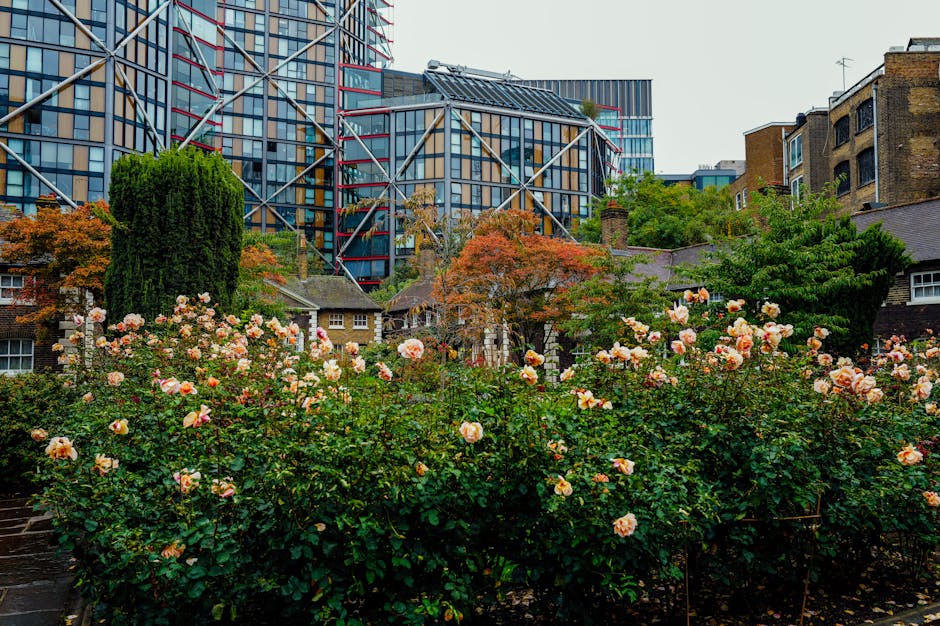
Francis Road garden maintenance tips from Leyton gardeners
Francis Road has its own rhythm. Front gardens get clipped neat one week, then battered by a burst of wind and a wet spell the next. A small patch can go from tidy to tired surprisingly fast, especially in a busy London neighbourhood where paved fronts, compact planting beds, and shared boundaries all need a bit of regular attention. That is why Francis Road garden maintenance tips from Leyton gardeners are so useful: they are practical, local, and shaped by the reality of gardens that need to look good without demanding every spare hour of your weekend.
In this guide, you will find a clear, local-minded approach to keeping your garden healthy through the year. We will cover what maintenance actually involves, how to approach it step by step, the common mistakes people make, and the tools that genuinely help. There is also a comparison table, a checklist, and a few real-world examples based on the kind of jobs Leyton gardeners handle week after week. Nothing fancy. Just the sort of advice that helps you get on top of things properly.
And let's be honest, a well-kept garden does more than look nice. It makes coming home feel easier.
Table of Contents
- Why Francis Road garden maintenance tips from Leyton gardeners Matters
- How Francis Road garden maintenance tips from Leyton gardeners Works
- Key Benefits and Practical Advantages
- Who This Is For and When It Makes Sense
- Step-by-Step Guidance
- Expert Tips for Better Results
- Common Mistakes to Avoid
- Tools, Resources and Recommendations
- Law, Compliance, Standards, or Best Practice
- Options, Methods, or Comparison Table
- Case Study or Real-World Example
- Practical Checklist
- Conclusion
- Frequently Asked Questions
Why Francis Road garden maintenance tips from Leyton gardeners Matters
Francis Road sits in an area where gardens often have to do a lot with a little. You may be dealing with narrow front plots, shaded side returns, compact back gardens, or small planting pockets that dry out quickly in summer and get soggy in winter. Local maintenance is not just about keeping things neat. It is about understanding those conditions and working with them rather than against them.
Leyton gardeners tend to spot the same patterns again and again. Overgrown shrubs block light, dead patches creep through lawns, soil gets compacted, and weeds settle into paving joints before anyone notices. On a street like Francis Road, where the garden frontage contributes to the feel of the whole property, small issues show fast. A hedge left for one season can suddenly start swallowing paths. A neglected bed can make the whole space look unfinished. Truth be told, gardens rarely fall apart in one dramatic moment. They drift there.
Regular maintenance helps you stay ahead of that drift. It also protects plant health, supports drainage, and reduces the kind of heavy work that becomes expensive later. If you want a deeper understanding of garden upkeep across different property types, our garden maintenance service page explains what routine care usually covers, while the full range of gardening services shows how small, targeted jobs fit into a wider plan.
Key point: good garden maintenance is less about perfection and more about consistency. Little and often usually beats rare and heroic.
How Francis Road garden maintenance tips from Leyton gardeners Works
At its simplest, maintenance is a cycle: observe, tidy, cut back, feed, water, repair, repeat. Sounds almost too straightforward, doesn't it? But the detail matters. Leyton gardens often need a mixed approach because they include different micro-conditions in a small space. A sunny patio edge may need more watering than a sheltered border. A lawn near mature trees may need different care from one exposed to full afternoon light.
Local gardeners usually start by checking the garden as a whole rather than treating each job in isolation. They look for:
- areas where water sits after rain
- shrubs that are crowding paths or windows
- compacted soil or patchy turf
- weeds in borders and hard surfaces
- plants showing stress from heat, frost, or shade
- messy edges that make the space look less cared for than it actually is
From there, maintenance is usually scheduled around the season. In spring, there is often a push on clearing, pruning, and feeding. Summer brings watering discipline and deadheading. Autumn is about leaf clearance, composting, and preparing beds for colder weather. Winter is quieter, but not empty. Structural pruning, tool care, and drainage checks still matter.
If you are comparing professional help, it can be useful to look at how different tasks are bundled. For example, a one-off tidy can be very different from ongoing care. Our lawn mowing service and hedge trimming support pages are useful if you want to see how the most common maintenance tasks are handled separately.
Key Benefits and Practical Advantages
There are plenty of reasons to keep on top of a garden, but the strongest ones are usually practical. A tidy garden saves time later. It also makes the whole property feel more settled, which matters if you are welcoming guests, trying to enjoy the space yourself, or thinking about presentation.
Here are the benefits that Leyton homeowners and landlords tend to notice first:
- Healthier planting: regular pruning and feeding helps shrubs and perennials stay strong.
- Better curb appeal: neat edges, cut back growth, and clean paths make a big difference from the street.
- Lower risk of bigger problems: deadwood, compacted soil, and blocked drains are easier to manage early.
- More usable space: you can actually sit, store, or move around without pushing through overgrowth.
- Less stress: ongoing care is far less overwhelming than a massive catch-up job.
There is also a quiet benefit people underestimate: maintenance helps you notice change. A spot of mildew, a leaning fence post, or a rose that is not flourishing can all be caught earlier. That sort of observation saves money and, frankly, a lot of faff.
Expert summary: the best-maintained gardens are not the ones that get the most dramatic makeovers. They are the ones that receive steady, sensible attention before problems become obvious.
Who This Is For and When It Makes Sense
This kind of local garden guidance is useful for a wide range of people. Some want to keep a small front garden looking crisp with minimal effort. Others are managing a back garden that has become too much to handle alone. A few simply want a better plan and a clearer sense of what to do next. Fair enough.
It makes particular sense if you are:
- a homeowner on Francis Road or nearby streets who wants reliable upkeep
- a landlord needing a presentable outdoor space between tenancies
- a busy family with a garden that gets used hard and tidied rarely
- someone new to gardening who wants plain-English advice
- a property owner preparing for photos, visitors, or a sale
It is also worth considering professional help if a garden has moved beyond simple maintenance. For example, if hedges have grown out of control, beds are full of perennial weeds, or the lawn has more moss than grass, you may need a restoration approach first. After that, routine care becomes much easier.
If you are unsure whether you need one-off help or ongoing support, our Leyton gardening services page is a sensible place to start, and the gardening FAQ can answer a lot of the common early questions people have before booking anything.
Step-by-Step Guidance
The best maintenance routine is one you can actually keep up. Here is a simple, realistic process that works well for many Francis Road gardens.
1. Walk the garden slowly
Do not rush this. Take five minutes and look at the garden as if you were seeing it fresh. Which areas look overfull? Which look tired? Is anything blocking light or access? A slow walk often reveals the jobs that have quietly become normal.
2. Clear obvious debris first
Pick up fallen leaves, broken stems, litter, and anything that is trapping moisture against the ground. This immediate tidy makes everything else easier and gives you a clearer view of what really needs work.
3. Tackle the edges
Edging paths, beds, and lawns makes a garden feel better almost instantly. It is one of those jobs that looks small on paper but changes the whole space. If you only have time for one thing, do this.
4. Prune with purpose
Cut back dead, damaged, or crossing stems first. Then shape lightly. Do not take too much off at once unless the plant genuinely needs it. Some shrubs recover well from a tidy trim; others need a gentler hand. This is where local knowledge helps. A lot.
5. Deal with weeds properly
Remove weeds from roots where you can, especially in borders and between paving. Surface-level pulling can look fine for a week and then come back stronger. If weeds are established, repeat visits usually beat one aggressive attempt.
6. Check soil and watering
Push a finger into the soil a few centimetres down. If it is dusty and dry, water deeply rather than giving the surface a quick splash. If it is wet and sticky, reduce watering and look for drainage issues. Compacted soil may need loosening or mulching.
7. Feed and mulch where needed
A little compost or mulch can make a big difference, especially in beds that dry out or lose nutrients. Spread it evenly and keep it away from stems. Mulching is not glamorous, but it earns its keep.
8. Finish with a final tidy
Rake, sweep, bag waste, and stand back. If the space looks calmer and lighter, you are probably on the right track. That final look matters more than people think.
If you want support with bigger tasks like pruning, hedge shaping, or seasonal refreshes, our pruning service and landscaping support pages show how those jobs can be approached in a more structured way.
Expert Tips for Better Results
Some of the best garden maintenance advice is not complicated. It is just easy to ignore when you are busy. Here are the habits that tend to pay off most.
- Work in short, regular sessions: twenty minutes a week often beats a rushed half-day every few months.
- Keep pruning tools sharp: clean cuts heal better and look neater. Dull tools mangle stems. Nobody wants that.
- Do not overwater containers: pots on sunny patios dry out quickly, but soggy roots are just as common a problem as dry ones.
- Mulch after weeding: this helps hold moisture and slows the return of new weeds.
- Observe shade changes: trees, fences, and neighbouring growth can change light levels over a season.
- Schedule heavy work early: mornings are often better for tougher jobs, especially in warmer weather.
A small but useful trick: keep one drawer or box for garden notes. Nothing fancy. Jot down what bloomed well, what suffered, and what you meant to cut back. Next spring you will be glad you did. Honest.
Another tip is to group jobs by outcome rather than by tool. For example, "make the front look presentable" might include edging, sweeping, light pruning, and removing weeds. Thinking like that helps you avoid endless wandering around with secateurs in your hand. We have all been there.
Common Mistakes to Avoid
Most garden maintenance problems are not caused by bad intent. They usually come from delay, guesswork, or trying to do too much in one go.
- Cutting too hard too late: severe pruning at the wrong time can weaken plants or leave them looking bare for months.
- Letting weeds seed: once annual weeds set seed, the job becomes much bigger.
- Ignoring drainage: if water regularly pools, you may have a soil or grading issue rather than a watering issue.
- Using the same routine all year: summer maintenance and winter maintenance are not the same thing.
- Forgetting the hard landscaping: paths, edging, and fences contribute to the overall appearance too.
- Trying to rescue everything at once: this usually ends in tired hands and unfinished work.
A common one in Leyton gardens is underestimating how quickly a narrow border can fill with self-seeded growth. It starts as a light scatter and, before you know it, there is a small jungle with ambitions. Mildly rude of it, really.
Tools, Resources and Recommendations
You do not need a shed full of expensive kit to maintain a garden well. A few dependable tools will cover most routine jobs.
| Tool | Best Use | Why It Helps |
|---|---|---|
| Secateurs | Small pruning jobs, deadheading, light stem cutting | Clean, precise cuts on flowers and shrubs |
| Hand fork | Loosening soil, removing weeds | Useful in borders and pots without disturbing roots too much |
| Spade or border spade | Digging, lifting, re-edging | Good for tougher soil and planting work |
| Rake | Leaf clearance and surface tidying | Keeps lawns and beds clear without damaging growth |
| Hose or watering can | Targeted watering | Helps control where water goes, which matters in small gardens |
| Hedge trimmer or manual shears | Shaping hedges and larger shrubs | Speeds up regular trimming and keeps lines neat |
Beyond tools, the best resources are often simple: a seasonal calendar, a notebook, and a realistic plan. If you are managing a bigger property or want regular maintenance handled properly, it helps to read about routine garden maintenance visits and seasonal clearance work. Those services fit well when a garden needs dependable upkeep rather than a one-off tidy.
Law, Compliance, Standards, or Best Practice
Most day-to-day garden maintenance in a residential setting is straightforward, but a few best-practice points are worth keeping in mind. If you are cutting hedges, clearing waste, or working near boundaries, it is sensible to be considerate of neighbours and avoid unnecessary noise early in the morning or late in the evening. That is less about rules and more about living in London without irritating everyone on the street.
If you are dealing with trees, protected planting, or work near shared fences and walls, check carefully before cutting or removing anything substantial. In some cases, especially with larger trees or unusual situations, professional advice is the safer route. Likewise, if garden waste is being removed, it should be disposed of responsibly. The general expectation in the UK is that green waste is handled in line with local waste arrangements and good environmental practice.
Health and safety matters too. Use gloves, eye protection where needed, and stable footwear. Be especially careful with power tools, ladders, and overreaching into dense growth. It sounds obvious, but the most common gardening mishaps are the small ones that happen when someone is hurrying.
If a job feels uncertain, awkward, or physically demanding, it is reasonable to ask for help. Best practice is often simply the safest path.
Options, Methods, or Comparison Table
Not every garden needs the same approach. Sometimes a light touch is enough. Sometimes the space needs a proper reset before maintenance becomes worthwhile again. Here is a practical comparison.
| Approach | Best For | Pros | Limitations |
|---|---|---|---|
| DIY weekly upkeep | Small, manageable gardens | Low cost, flexible, good for staying on top of detail | Easy to fall behind if life gets busy |
| One-off professional tidy | Gardens that have slipped but do not need ongoing care yet | Quick visible improvement, useful reset | Problems can return without follow-up |
| Regular maintenance visits | Busy households, rental properties, presentation-focused homes | Consistent results, less stress, better long-term control | Requires ongoing budget and planning |
| Seasonal overhaul | Overgrown or neglected spaces | Transforms the garden, creates a clean slate | More labour-heavy, can be more disruptive initially |
For many Francis Road homes, a hybrid approach works best: do the light stuff yourself and bring in help for the harder or less frequent jobs. That way, you keep costs sensible without letting the garden slide.
Case Study or Real-World Example
A typical Leyton garden job might start with what looks like a fairly simple request: "Can you make it tidy?" In practice, that often means a front garden with overgrown edges, a back border full of self-seeded growth, a patchy lawn, and a hedge that has crept a bit too far over the path. Nothing dramatic. Just enough to make the space feel restless.
In a situation like that, the first visit usually focuses on clearance and structure. The gardener removes debris, cuts back growth that is blocking access, shapes the hedge, and clears weeds from paving and beds. The next step is usually more subtle: improving the soil, mulching the borders, and making sure the lawn can recover rather than just look trimmed for a week or two.
What tends to surprise people is how much lighter the garden feels after the basics are done. It is not always about adding more plants or making huge changes. Often, it is the removal of clutter that does the work. You can suddenly hear birds better. The path feels wider. The front of the house looks cared for again. Small stuff, but it matters.
When the space is then maintained regularly, the follow-up work becomes shorter and less expensive. That is the real win.
Practical Checklist
Use this checklist to keep your Francis Road garden in good shape through the year.
- Walk the garden once a week and note anything changing
- Remove weeds before they flower and seed
- Trim edges and paths regularly
- Check hedge growth before it blocks light or access
- Water deeply during dry spells, especially containers and new planting
- Rake leaves and clear debris after windy weather
- Feed borders and lawns seasonally, not randomly
- Inspect for signs of disease, pests, or dieback
- Keep tools clean, dry, and sharp
- Book help early if a job is getting beyond a normal tidy
Quick reality check: if you cannot remember the last time a job was done, it is probably overdue. No judgement.
Conclusion
Francis Road garden maintenance is really about rhythm, not perfection. A little attention, done regularly, can keep even a compact London garden looking healthy, welcoming, and manageable. The best results usually come from simple habits: clear the obvious mess, stay on top of pruning, treat watering carefully, and do not let small issues build into bigger ones.
Whether you are maintaining a neat front garden, refreshing a back space, or trying to bring an overgrown plot back under control, the same basic rule applies: steady care wins. And if you ever feel the job has tipped from manageable into overwhelming, that is the right moment to bring in experienced help rather than battle through it alone. There is no prize for doing everything the hard way.
If you want reliable local support, take a look at our garden maintenance options and related services to find the right fit for your space and schedule.
Get a free quote today and see how much you can save.
With the right routine, your garden can stay calm, useful, and genuinely enjoyable. That is the goal, really.
Frequently Asked Questions
How often should a Francis Road garden be maintained?
For most small London gardens, a light weekly or fortnightly check works well, with seasonal tasks added in spring, summer, autumn, and winter. If the space has fast-growing hedges or heavy leaf fall, you may need more frequent attention.
What are the most important garden maintenance tasks for Leyton homes?
The big ones are weed control, edging, pruning, lawn care, watering, and keeping paths and borders clear. In compact gardens, these basics make the biggest visible difference.
Is it better to do garden maintenance myself or hire a gardener?
That depends on your time, confidence, and the state of the garden. DIY works well for light upkeep, but professional help is often worth it for overgrown hedges, larger clearances, or regular maintenance that you do not want to keep chasing.
What season is best for pruning shrubs and hedges?
It varies by plant type, but many shrubs and hedges benefit from light pruning at the right time of year rather than hard cutting whenever it looks untidy. If you are unsure, check the plant's needs first or ask a local gardener.
How do I stop weeds coming back so quickly?
Remove them with the roots where possible, mulch exposed soil, and keep an eye on paving joints. The main trick is consistency. If weeds are left too long, they seed and spread fast.
Can garden maintenance help improve drainage?
It can help identify drainage problems and reduce surface blockage, but it will not fix deeper soil or grading issues on its own. If water regularly pools in one area, that may need a more specific solution.
What should I do if my garden has become overgrown?
Start with clearance, not planting. Cut back access-blocking growth, remove dead material, and restore structure first. After that, regular maintenance becomes much easier to manage.
Do I need to worry about neighbour boundaries on Francis Road?
Yes, it is sensible to be careful around shared fences, hedges, and overhanging growth. If branches or roots cross a boundary, it is best to handle the matter considerately and in line with normal UK best practice.
How can I keep my front garden looking tidy with little effort?
Choose a small number of robust plants, keep edging sharp, prune lightly and often, and use mulch to reduce weed growth. Front gardens usually look best when they are simple and consistent rather than crowded.
What tools do I really need for basic garden maintenance?
At minimum, secateurs, a hand fork, a rake, gloves, a spade, and a watering can or hose cover most everyday jobs. You can add hedge shears or a trimmer if the garden has larger shrubs or hedges.
How do I know when garden maintenance has turned into restoration?
If the space has more dead growth than healthy structure, the lawn is badly patchy, or access is difficult because of overgrowth, you are probably looking at restoration first and maintenance second. That is quite normal, by the way.
Can regular maintenance really save money?
Usually, yes. Smaller jobs handled early are often easier and cheaper than letting them develop into major clearances or plant replacements. It is one of those dull truths that turns out to be very useful.