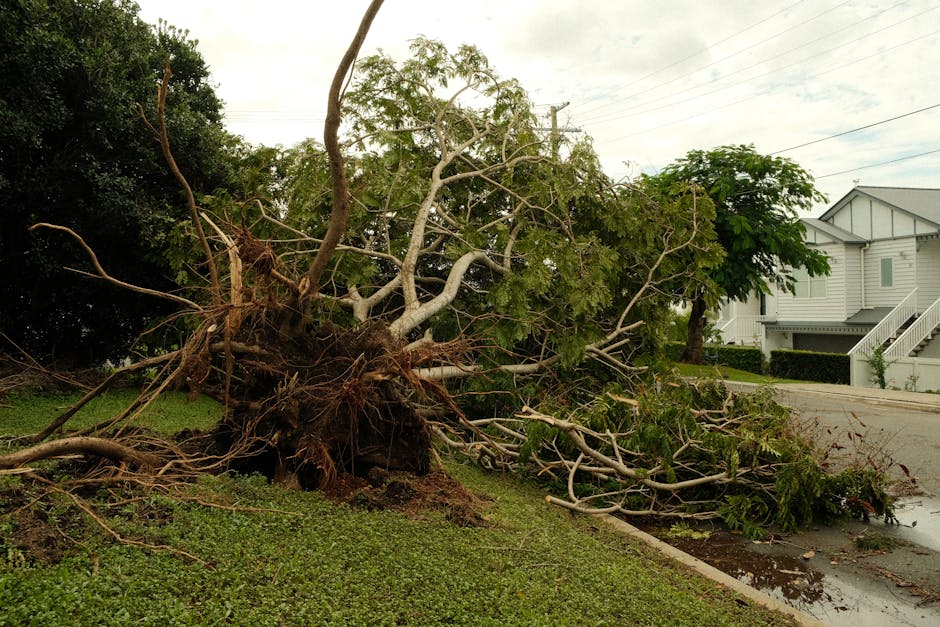
Same day gardeners Leyton Lea Bridge Road for storm damage
Storms never arrive at a convenient time. One hour the garden looks fine, the next you're staring at a snapped branch, a tipped fence panel, soggy borders, and debris scattered across the path. If you need Same day gardeners Leyton Lea Bridge Road for storm damage, the priority is usually simple: make the outdoor space safe, clear the mess quickly, and stop the damage getting worse. That is exactly where fast, practical garden help matters.
This guide explains what same-day storm damage gardening support typically includes, how it works, what to expect, and how to decide what needs attention first. It also covers the most common mistakes people make after a storm, a useful checklist, and a few sensible best-practice points that can save time later. If you're trying to get your garden back under control without making the situation messier, you're in the right place.
Contents
- Why Same day gardeners Leyton Lea Bridge Road for storm damage Matters
- How Same day gardeners Leyton Lea Bridge Road for storm damage Works
- Key Benefits and Practical Advantages
- Who This Is For and When It Makes Sense
- Step-by-Step Guidance
- Expert Tips for Better Results
- Common Mistakes to Avoid
- Tools, Resources and Recommendations
- Law, Compliance, Standards, or Best Practice
- Options, Methods, or Comparison Table
- Case Study or Real-World Example
- Practical Checklist
- Conclusion
- Frequently Asked Questions
Why Same day gardeners Leyton Lea Bridge Road for storm damage Matters
Storm damage is one of those jobs that can look cosmetic at first glance, but often isn't. A branch on the lawn may seem harmless until you notice it's cracked higher up in the canopy. A loose fence panel can become a wind catcher. Waterlogged soil can turn a neat border into a compacted, messy patch that won't recover quickly if it's trampled repeatedly.
Same-day help matters because timing shapes the outcome. The sooner damaged growth is made safe and debris is removed, the less likely you are to end up with secondary problems like blocked access, bruised lawns, broken stems, or a garden that stays untidy for weeks. In a local area like Leyton Lea Bridge Road, where outdoor space may already be compact, even a small amount of storm debris can feel intrusive and awkward to live with.
There's also a safety angle. Wet timber, hanging branches, split stems, sharp fence edges, and hidden nails or screws can all create avoidable hazards. Truth be told, a calm, methodical same-day response is often the difference between a quick tidy-up and a much bigger repair job later on.
Expert summary: The real value of same-day storm damage gardening is not just speed. It is the combination of prompt risk reduction, sensible prioritisation, and clean-up that helps the garden recover properly.
If the storm has also damaged planted areas, hedges, or boundary features, it can help to understand the broader service options too. Pages such as garden clearance, garden maintenance, and tree lopping and removal are useful starting points when the damage goes beyond a simple tidy.
How Same day gardeners Leyton Lea Bridge Road for storm damage Works
A same-day storm response usually follows a fairly practical sequence. It isn't glamorous. It's the kind of work that begins with a careful look around, a decision about what is safe to touch, and then a plan to clear the obvious hazards first. That order matters more than people sometimes realise.
In a typical visit, the first step is a visual assessment of the damage. The gardener looks for fallen branches, hanging limbs, loosened trees, uprooted shrubs, broken trellis, damaged beds, and any obstruction to paths, gates, or drive access. If the garden has decking or hard landscaping, those areas may be checked too because slippery surfaces and lifted boards can become part of the problem. For that, a service like decking services may be relevant where the storm has affected timber structures.
Next comes prioritisation. A good same-day gardener will usually focus on the high-risk items first: unstable branches, access hazards, and anything that could worsen in the next gust of wind. After that, they'll remove loose debris, gather cuttings, stack green waste safely, and tidy the site so the garden is usable again. If the damage is extensive, they may advise a follow-up appointment for more detailed recovery work.
The final stage is usually the one people appreciate most: restoring order. That might mean a short mow of torn lawn edges, reshaping a battered hedge, lifting collapsed growth, or clearing the last bits of windblown rubbish so the garden stops looking like a battlefield. Not a technical term, obviously, but you get the idea.
If you want a better overview of what a provider may offer beyond emergency response, the services overview page is a sensible place to compare garden support options before or after the storm clean-up.
Key Benefits and Practical Advantages
The biggest advantage is speed, but that's only part of the story. Same-day storm damage gardening can also reduce stress. When branches are dragging across a border or a hedge is half-collapsed, you're often trying to protect the garden while dealing with the weather, the bins, the kids, the dog, and maybe a neighbour peering over the fence. Fast help takes one thing off your plate.
- Faster safety clearance: Loose branches, debris, and damaged edges are dealt with before they become a hazard.
- Less chance of ongoing damage: Prompt action helps stop snapped growth from tearing further in the wind.
- Cleaner recovery: Tidying up storm debris early makes the garden easier to restore properly.
- Better access: Paths, gates, and side returns can be cleared quickly, which is especially useful in tighter urban gardens.
- More informed next steps: A same-day visit can reveal whether you need pruning, hedge work, or a fuller landscape repair.
There's a practical financial benefit too, though it's wise to be cautious with assumptions. Minor storm damage caught early is often simpler to address than a job left until wet timber has split further, roots have shifted, or plants have collapsed across each other. That isn't a guarantee, just common sense really.
If the storm has left you with piles of cuttings and mixed garden waste, garden clearance can be a useful follow-on service. And if the storm exposed ongoing maintenance issues, a planned visit to garden maintenance often helps keep the space stable once the immediate mess is gone.
Who This Is For and When It Makes Sense
Same-day garden help makes sense for people in a few very different situations. Some are urgent. Some are simply messy. Both are valid reasons to call for support.
You may need it if a storm has left branches blocking a walkway, a hedge leaning into a fence, or a small tree shedding limbs into the garden. You might also need it if rain and wind have dragged compost, mulch, bark, or lightweight items across the space. In some gardens, the issue is less dramatic but still annoying: shredded planting, broken stems, and a lawn covered in twigs. It all adds up.
This service is especially useful if you:
- need the garden safe for children, pets, or visitors
- have broken access to side paths, gates, or bins
- rent the property and need the outside area returned to a respectable condition quickly
- manage a property and need fast clean-up between occupants or inspections
- have older trees, hedges, or overgrown sections that were already under strain before the storm
It also makes sense when you simply don't want to wait. Let's face it, after a rough night of wind and rain, nobody wants to spend the weekend wrestling a broken branch with a rusty pair of secateurs and a cup of tea gone cold beside them. Sometimes the sensible move is to bring in help and get on with life.
If the damage includes overgrown or broken hedges, a dedicated hedge trimming service may be part of the recovery. For larger woody growth or dangerous limbs, tree lopping and removal may be the more appropriate route.
Step-by-Step Guidance
If you're arranging same-day support after storm damage, a simple process helps you stay calm and make better decisions. It doesn't need to be complicated.
- Check for immediate danger. Keep away from hanging branches, unstable trees, damaged wires, and slippery surfaces. If something looks unsafe, don't poke it. Really, don't.
- Take a quick look from a safe distance. Note what is blocked, what looks broken, and whether any hard surfaces or structures are affected.
- Separate urgent from non-urgent issues. A blocked access path is more urgent than a flowerbed that has been battered but is still secure.
- Prepare a short description. A plain explanation such as "two branches down, one hedge section bent, debris across the path" is usually enough to start with.
- Ask what can be handled same day. A good provider will be clear about what is realistic in one visit and what might need follow-up work.
- Clear the work area if safe to do so. Move garden furniture, toys, and lightweight items out of the way.
- Agree the priority order. Safety first, access second, tidy finish third. That sequence is hard to beat.
- Request debris removal details. Ask whether green waste will be taken away, stacked, composted, or left for collection according to the agreement.
- Review the garden after the work. Walk the space slowly. Check for hidden cuttings, sharp edges, or remaining hazards.
One small but useful habit: take a few photos before the work starts. Nothing fancy. Just enough to remember the layout and the areas most affected. It helps if you later decide to compare repair options or arrange additional garden work.
Expert Tips for Better Results
The best storm recovery jobs are usually the ones where the homeowner and the gardener work with a clear, shared understanding. A few simple habits make a noticeable difference.
Start with safety, not aesthetics. It is tempting to focus on the messy bits that are easiest to see, such as scattered leaves or flattened flowers. But unstable growth and hidden damage should come first. That order matters, even if it's less satisfying to the eye at first.
Be honest about what happened. If the storm started damage that was already there, say so. A cracked limb from months ago, for example, may have failed only because the wind pushed it over the edge. That context helps the gardener assess the real cause rather than guessing.
Keep the path clear before the visit. If possible, move bikes, bins, plant pots, and tools away from the main working area. It saves time and helps the job go more smoothly.
Think about longer-term recovery. Once the immediate mess is sorted, ask whether the garden needs rebalancing. That could mean trimming a hedge back evenly, removing damaged material, or planning a follow-up tidy with lawn mowing if the lawn has become shaggy and littered with debris.
Don't rush structural decisions. If a tree or fence still looks questionable after the clean-up, it may need a separate assessment. You don't have to fix everything in one breathless afternoon. In fact, that's often how mistakes happen.
And one slightly boring but very useful point: ask how the provider handles waste and site tidying. A neat finish is not a luxury. It is part of the job.
Common Mistakes to Avoid
After a storm, people often move quickly. That's understandable. But speed can create avoidable problems if you're not careful. Here are the mistakes that come up most often.
- Touching unstable branches: A branch that looks harmless can spring, drop, or split further when handled.
- Dragging heavy debris across the garden: This can tear turf, crush planting, and make the surface worse than the original damage.
- Ignoring hidden hazards: Broken stakes, bent wires, nails, and snapped canes are easy to miss when the garden looks chaotic.
- Assuming all damage is cosmetic: Some storm effects are structural, especially with trees and boundary features.
- Booking only for "tidy-up" without mentioning hazards: If there is a risk item, say so clearly from the start.
- Leaving debris piled against fences or walls: Moist material can stain, trap water, and attract more deterioration.
Another common one: clearing only what can be seen from the house. Then the side return or rear corner is left full of sharp offcuts. Easy to do, but not ideal. You notice it later, usually with a sigh.
If the storm has affected the surrounding garden layout, a follow-up from landscaping or landscape gardening may be the better long-term fix once the immediate clean-up is complete.
Tools, Resources and Recommendations
You do not need a shed full of specialist gear to deal with a storm mess, but the right tools matter. For homeowners doing light preparation before a visit, basic items are usually enough.
| Item | Use | Good for same-day storm recovery? |
|---|---|---|
| Gloves | Protect hands from thorns, splinters, and sharp debris | Yes |
| Bypass secateurs | Light cutting of small stems and twigs | Yes, for minor prep only |
| Bow saw or pruning saw | Small woody cuts where safe and appropriate | Only if you know what you're doing |
| Tarpaulin or strong bags | Collect light debris for safe staging | Yes |
| Stiff broom or rake | Gather leaves and lighter debris from paths and lawns | Yes |
| Securing ties | Temporarily steady loose plants where appropriate | Yes, with caution |
For most people, the safest recommendation is simple: leave larger cuts, unstable branches, and awkward leaning growth to a professional. You can still help by keeping access clear and pointing out the priority areas. That alone makes the job much smoother.
It can also be useful to look at practical service pages such as pricing and quotes if you want to understand how a provider may structure urgent visits, or insurance and safety if your concern is more about confidence and care on site.
If you care about what happens to the waste afterwards, the company's recycling and sustainability page can also give you a clearer idea of how green waste is handled.
Law, Compliance, Standards, or Best Practice
Storm damage work touches on safety, waste handling, and sometimes tree-related risk. Without turning this into a legal lecture, a few sensible UK best-practice points are worth keeping in mind.
First, anything that may involve unstable trees, overhead lines, or dangerous structural elements should be approached cautiously. A competent gardener will know the limits of garden work and will say when an issue needs a more specialist response. That is not hesitation; that is professionalism.
Second, safe work methods matter. Good providers should use appropriate protective gear, sensible cutting practices, and clear site awareness. In plain English, they should not be guessing their way through hanging branches with the enthusiasm of someone assembling flat-pack furniture at midnight.
Third, waste should be handled in line with normal local expectations and proper site cleanliness. Storm cuttings, hedge waste, and damaged garden material should be managed responsibly. If a company explains its waste approach clearly, that is a good sign.
Fourth, if a property is rented, shared, or managed on behalf of someone else, it can be useful to document damage and the work completed. Simple notes and photos are often enough. Nothing dramatic, just sensible record-keeping.
If you want to understand how a provider approaches trust, service clarity, and customer handling more broadly, it can help to read about us, terms and conditions, and the complaints procedure. Those pages are useful because they show how a company sets expectations before work begins.
Options, Methods, or Comparison Table
Not every storm issue needs the same response. A quick comparison helps separate the options and stops you paying for more than you need.
| Approach | Best for | Typical outcome | When to choose it |
|---|---|---|---|
| Light same-day tidy | Leaves, small twigs, surface debris, minor bed mess | Garden made safe and presentable quickly | When damage is mostly superficial |
| Emergency clearance | Blocked access, fallen branches, dangerous clutter | Priority hazards removed first | When safety or access is affected |
| Targeted pruning or trimming | Split hedges, damaged shrubs, torn growth | Broken sections cut back neatly | When the plant can still be saved and shaped |
| Tree work or removal | Large limbs, unstable trees, recurring risk | Problem material removed or made safe | When the tree itself is the concern |
| Follow-up restoration | Gardens needing deeper recovery after the storm | Longer-term rebalancing and repair | When the site needs more than a tidy-up |
The short version? If the issue is mostly mess, start with clearance. If it involves instability, start with safety. If you're not sure which bucket it falls into, describe the garden plainly and ask for the most sensible next step. That simple conversation often saves time.
Case Study or Real-World Example
Here's a realistic example. After a windy night, a small Leyton garden had three main issues: a broken branch from a medium-height tree, a hedge section pushed sideways, and debris scattered across a narrow path leading to the back gate. Nothing was catastrophic, but the space felt unusable. The owner wanted the garden safe before the weekend, because a delivery and a family gathering were both lined up. Bad timing, as storms so often are.
The work began with a quick safety check. The broken branch was unstable enough that it needed careful removal rather than a casual tug. The hedge was cut back in sections so the damaged growth did not tear further. The path was cleared last, once the larger bits were out of the way. It was not a dramatic transformation. More a return to normal, which is usually the whole point.
The most useful part of the job was probably the follow-up advice. The hedge had been damaged because it was already uneven and exposed to wind. A bit of routine maintenance later would help it recover more evenly, and the tree needed a check after the next dry spell to see whether any hidden splitting remained. Not everything has to be solved on the day.
That's the real pattern with storm damage: act quickly, clear what is risky, then plan the next sensible step. Simple, but not always easy when your garden looks like it's had a rough morning.
Practical Checklist
Use this checklist before and during a same-day visit for storm damage. It keeps things organised when the weather has already done its best to undo the garden.
- Check for unstable branches, leaning trees, or hanging growth from a safe distance
- Keep children and pets away from damaged areas
- Note whether paths, gates, or side access are blocked
- Take a few photos of the damage before anything is moved
- Clear lightweight furniture, toys, and loose pots if it is safe to do so
- Tell the gardener about any areas you do not want disturbed
- Ask whether the job is emergency clearance, pruning, or a general tidy
- Confirm what will happen to green waste and cuttings
- Walk the garden after the work to check for hidden debris
- Plan any follow-up hedge, tree, or maintenance work if needed
Useful rule of thumb: if you would not feel comfortable standing under it in another gust of wind, it probably needs attention.
Get a free quote today and see how much you can save.
Conclusion
Storm damage in a garden can feel messy, stressful, and a bit unfair, especially when it happens suddenly and leaves you with more debris than daylight to deal with. Same-day gardeners on Leyton Lea Bridge Road are valuable because they bring order to that kind of chaos quickly and sensibly. They help you deal with the immediate hazards, clear the clutter, and decide what needs a follow-up once the garden is safe again.
If you remember only one thing, make it this: speed matters, but judgement matters more. A careful same-day response can protect the garden, reduce risk, and give you a cleaner base for future repairs or maintenance. And honestly, that first clear step often feels like a relief in itself.
When you're ready, choosing a provider with clear service information, sensible safety practices, and a calm approach can make the whole process a lot easier. One good visit can change the mood of the whole place. The garden feels lighter, the path opens up, and the mess stops looking quite so loud.
That's often the moment you can breathe again.
Frequently Asked Questions
What does same day garden storm damage help usually include?
It usually includes urgent clearance of fallen debris, removal of dangerous branches, tidying damaged planting, and restoring access to paths or gates. The exact scope depends on the level of damage and how safe each task is.
How quickly can a gardener arrive for storm damage?
Same-day means the work is arranged and carried out on the same day where availability allows. Arrival time can vary depending on workload, weather conditions, and how severe the damage is.
Is storm damage gardening only for emergencies?
No. It is also useful for non-emergency situations where the garden is messy, access is awkward, or damaged growth needs clearing before it causes bigger problems.
Should I cut broken branches myself before the gardener arrives?
Only very minor debris should be touched, and only if it is safe. Avoid unstable branches, leaning stems, and anything that looks like it could snap or fall. Leave risky cuts to a professional.
What if a tree looks unsafe after the storm?
That should be treated cautiously. A gardener can assess the visible damage, but larger or unstable trees may need more specialist attention. The key is not to pull, climb, or test the tree yourself.
Can storm damage be handled with garden clearance alone?
Sometimes yes, especially if the issue is mostly fallen debris and light tidying. If there are broken hedges, damaged shrubs, or tree-related hazards, extra trimming or removal may also be needed.
Will the gardener take the waste away?
That depends on the service agreement. Many providers can remove green waste as part of the job, while others may stage it separately. It is worth confirming this before work starts.
Is same day storm damage help more expensive?
It can be, depending on urgency, complexity, and how much labour is involved. The best approach is to ask for a clear quote and compare the scope of work rather than focusing on speed alone.
What should I do before the gardener arrives?
Keep people and pets away from damaged areas, take a few photos, clear lightweight items if safe, and give a simple description of the problem. That makes the visit more efficient.
Can storm damage affect my decking or hard landscaping too?
Yes. Wind and heavy rain can lift boards, shift edging, or leave slippery surfaces. If that has happened, decking or broader landscaping support may be useful alongside the garden clean-up.
What's the best first step if I'm not sure how bad the damage is?
Do a safe visual check from a distance and note the obvious hazards. Then contact a local provider and describe what you can see in plain language. You do not need technical terms; a clear description is enough.
How do I know whether I need maintenance after the storm is cleared?
If the storm exposed overgrowth, uneven hedging, weak stems, or repeated clutter buildup, a follow-up maintenance visit is usually sensible. It helps the garden recover and reduces the chance of the same issue happening again.
Where can I find more about the company before booking?
Useful background pages include about us, the services overview, and contact us if you want to ask about availability or next steps.